
Case Study / Cathode · Germany
LFP Cathode Expansion — +38% Throughput, Iron Below 50 ppb
Dense-phase conveying and loss-in-weight batching retrofitted around an existing sintering line for a European battery materials group.
Project Background
The Plant, the Material, the Target
The client, a European battery materials group, was qualifying LFP for automotive cell customers. Their existing line handled 2,800 kg/h, but iron contamination drifted with wear-part condition and throughput could not keep the sintering kiln fed during peak campaigns.
Demolishing and rebuilding was off the table — the kiln had to keep running. The brief: retrofit the powder handling around it, take iron below 50 ppb, and lift throughput by at least a third.
- Zero kiln downtime during retrofit
- Iron contamination below 50 ppb sustained
- Throughput gain ≥ 30% on the same footprint
- Energy per ton reduced, not just shifted
The Challenge
What Was Breaking Before We Arrived
Iron drift with bend wear
Carbon-steel transfer bends shed iron as they wore; contamination crept up between maintenance windows and batch iron trended toward rejection.
Kiln starvation at peak
The old dilute-phase loop and volumetric dosing could not sustain the sintering schedule, capping plant output.
Manual batching variance
Operator-timed additions produced ±1.5% recipe variance — outside the window the automotive qualification demanded.
The Solution
What We Engineered and Why
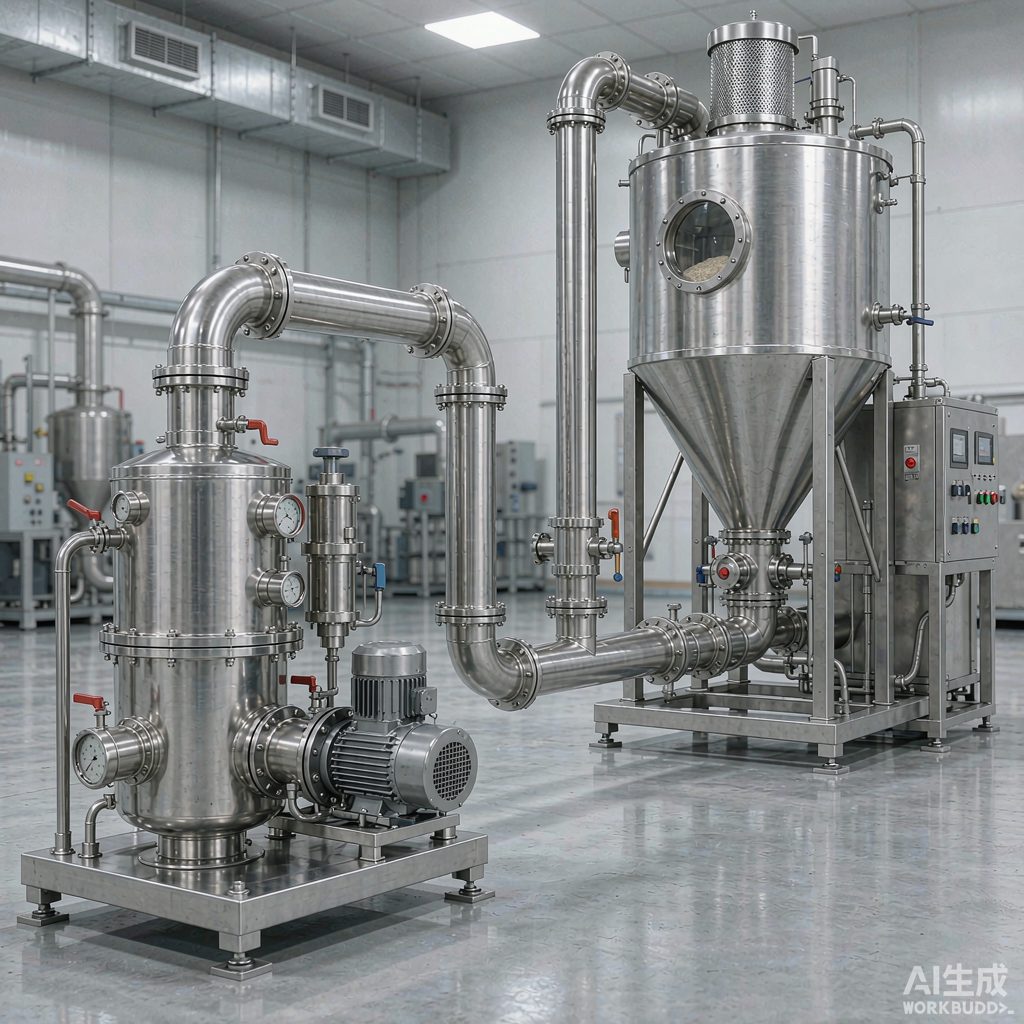
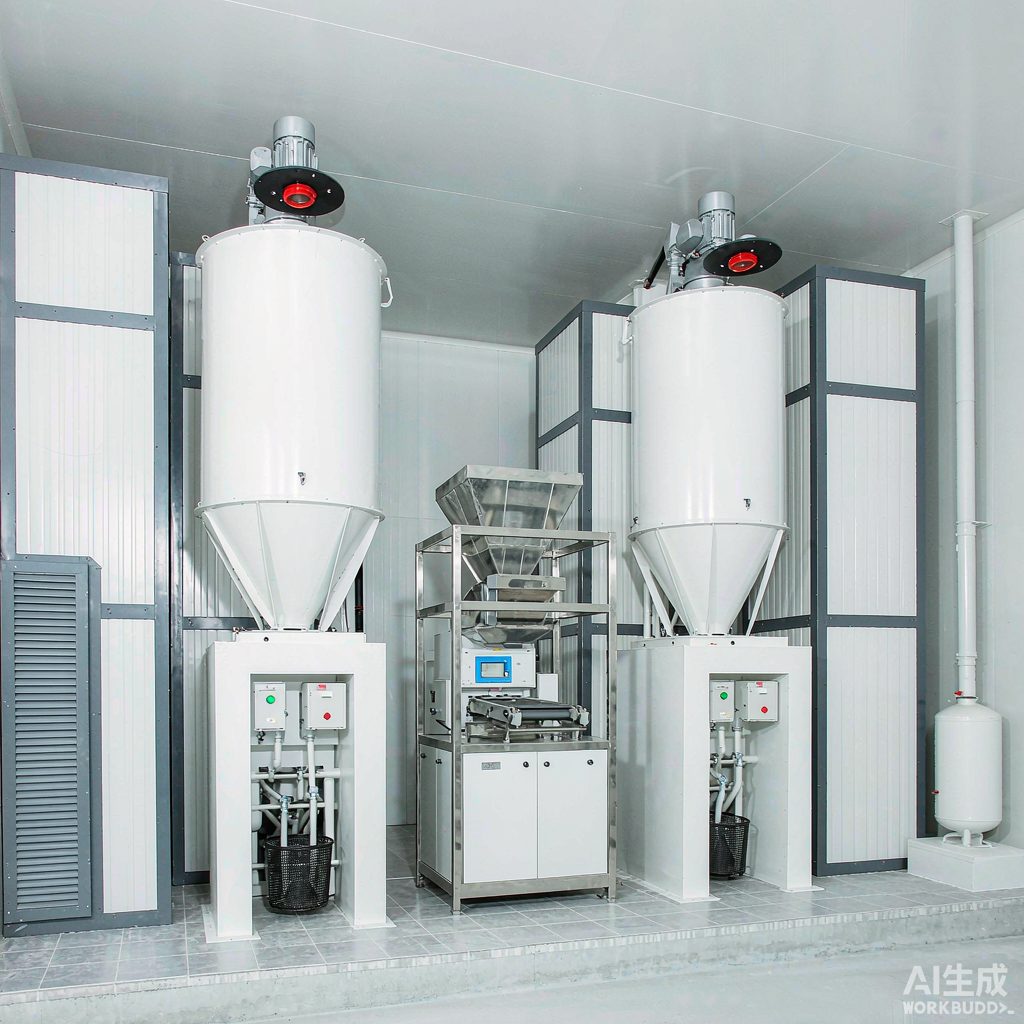
Bulk Pro wrapped the existing kiln in a new closed-loop handling envelope: dense-phase conveying at low velocity with ceramic-lined long-radius bends, a parallel train of loss-in-weight feeders replacing manual additions, and multi-stage high-gauss magnetic separation plus security sieving ahead of packaging.
The retrofit was staged over planned kiln maintenance windows — no production day was lost to construction.
- Ceramic / PU lined bends and product-contact parts
- Gravimetric batching at ±0.15%
- Multi-stage magnetic traps with wear-based service intervals
- Closed-loop conveying cut compressed-air demand
The Results
Measured Before → After Commissioning
Client Voice
What the Client Said at Sign-Off
The line we received in the end is not the line we specified on paper — it is better. The engineering decisions were argued with data from our own material, and the iron number has held through two maintenance cycles.
Plant Director · European battery materials group, Germany
Discuss an Expansion
24-HOUR ENGINEERING RESPONSE